
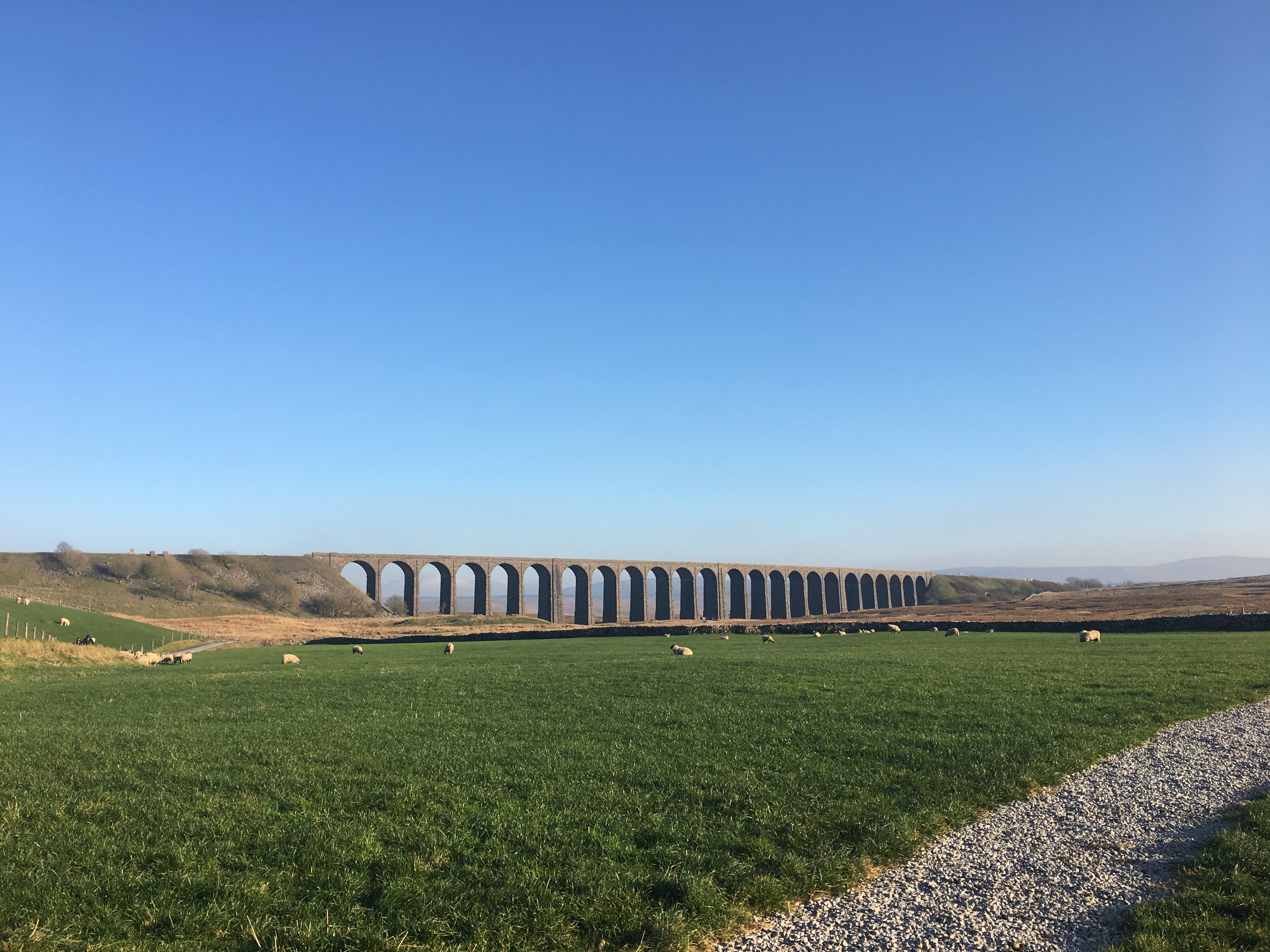
As a Yorkshire Native, naturally I am drawn to human stories about its history. This photograph of Ribbleshead Viaduct, was taken whilst on a weekend away at Chapel-le-dale.
It is so impressive. I was trying to imagine what it would have been like during its construction. Even now, it is a remote place to get to. Of the men who built this section of the Settle to Carlisle line, over a hundred died from accidents, violence and illness during its construction.
After I read Terry Coleman's ‘The Railway Navvies’ and I was absolutely captivated by it.
The Navvy Folklore
There was a new Age Dawning. Men were needed who had experience of cutting, shuttering, tunnelling, digging and explosives. The Navvies came from the Navigators who built the Canals.
They lived in temporary shanties often in complete wilderness. They had their own laws and customs, which makes sense because much of their lives were spent far away from conventional society.
They lived communally and many moved on to a new line when that work was done An old Navvy would have been in his late forties but a few legendary navvies survives til their sixties. In general though, they lived fast and died young.
They had wives, but not necessarily in the conventional sense. They were known for being very respectful in honouring their own dead, making their own monuments or plaques and having ceremonies in their honour (followed by an almighty drinking session).
Many went by their nicknames. If a Navvy didn't have one, he was given one, and they were generally associated with his physical attributes, demeanour, where he was from or whatever the foreman decided appropriate when he was signing him to the register. It was much easier to function as a group when they were called things like ‘Long John’ or ‘Contrary York’ or ‘Old Blackbird’
This could be a problem when a Navvy died (of which many did). How do you notify the family when the register says that his name is ‘English Ned'?
The term ‘Randy’ comes from The Navvies era. After pay day, they would go on drinking sessions lasting several days, often until their money was gone. This was described in Coleman's book as “going on the Randy.”
The association with drinking and rioting was well known and they became famous for it.
I imagine there would have been a certain ‘mystique’ and romanticism for young men who had a vision of a different life.
At the Dawning of Ages and the rush to advance, things get pushed aside for the promise of a better future. There are inevitable consequences.
The Dawning of An Age (Lyrics Imelda Kehoe)
They called him English Ned
Died of a Blow to the head
And now his mama's eyes
Stare misty at the skies
The engine driver swore
As he has sworn before
The dead-end to Carlisle
Has claimed another life
And none of us to blame
All in a days work
For every track we lay
At the dawning of an Age
Loud on the evening call
Platelayer Seventy One
He was killed today on the line
The engine driver saw
What he has seen before
Men paying with their lives
For men who set their price
Who could do no wrong
All in a days work
For every track we lay
At the dawning of an Age
Faster than the fairies
Faster than a gun
No-one knows his birth name
Or where he came from
Give his kit to Old Blackbird
A man of few words
And get him off the line
See to Mary-Ann
None of us to blame
All in a days work
For every track we lay
At the dawning of an Age